
Software that does the one job, and belongs to you.
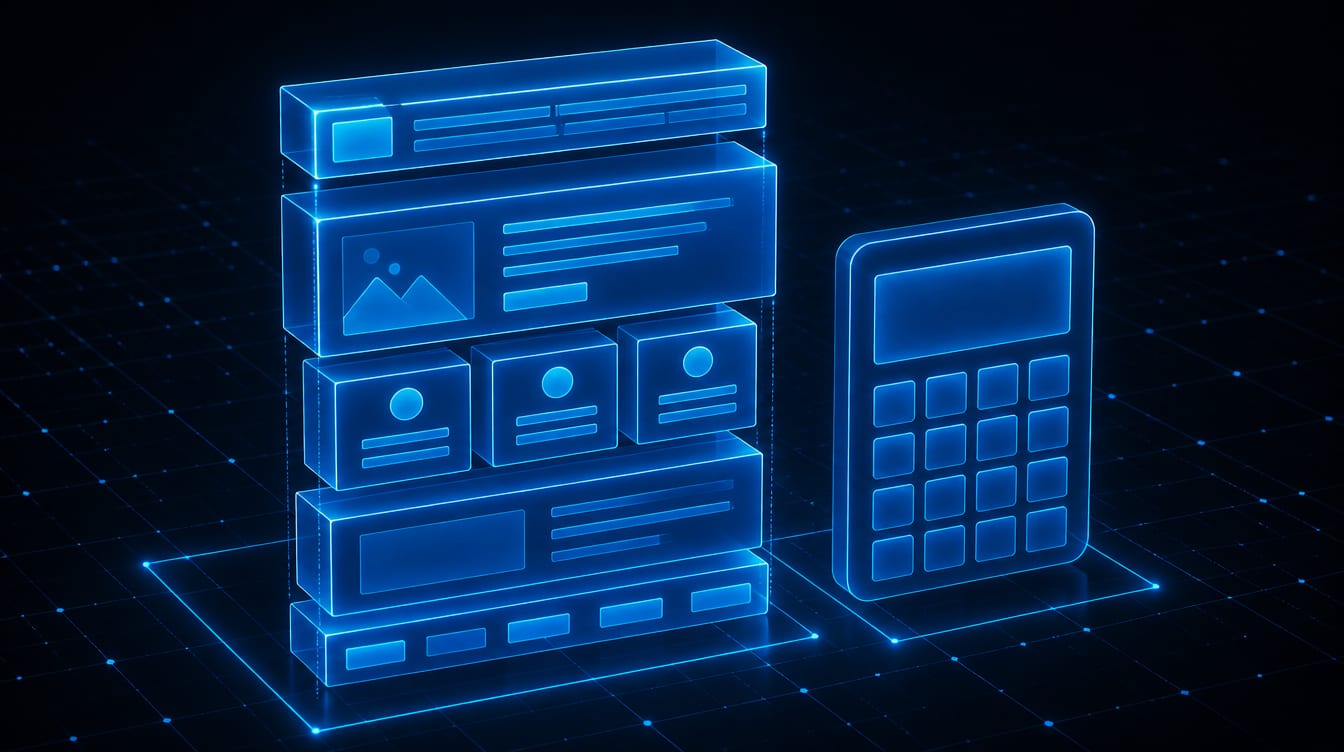
You have a process that runs on spreadsheets, sticky notes, and one person's memory. This is the service that turns it into a real tool: a web app, a portal, or an internal system built for exactly your work, and owned by you at the end.
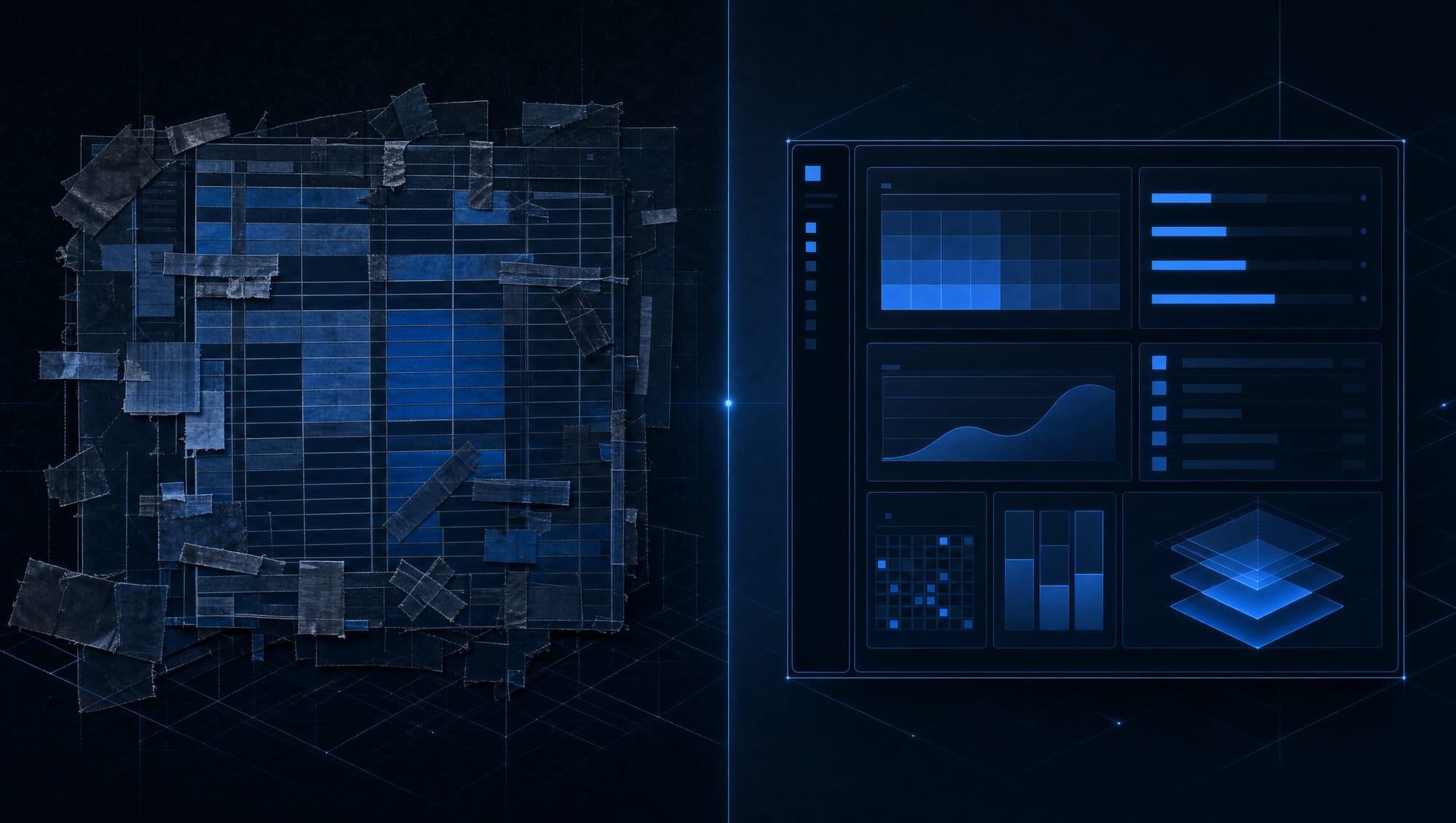
A single custom tool doing a single job, drawn in the site's own duotone.
First, the thing itself.
When we say "application," here's what to picture: software built to do the one job your business actually needs done, and nothing it doesn't. A customer portal where clients log in and check status without emailing you. An intake form that files itself. A dashboard that shows the numbers you currently rebuild by hand every Monday. An internal tool that replaces the spreadsheet three people are editing at once.
Not a platform you rent a seat on. Not another monthly subscription with your logo in the corner. A tool that exists because someone sat down and built it around the way your work already happens.
Every build carries the same spine:
- Software shaped to your process, not your process bent to fit somebody's software. We learn how the work runs, then build for that.
- Every screen hand-coded on Next.js and served fast, so the tool feels quick to the people using it all day.
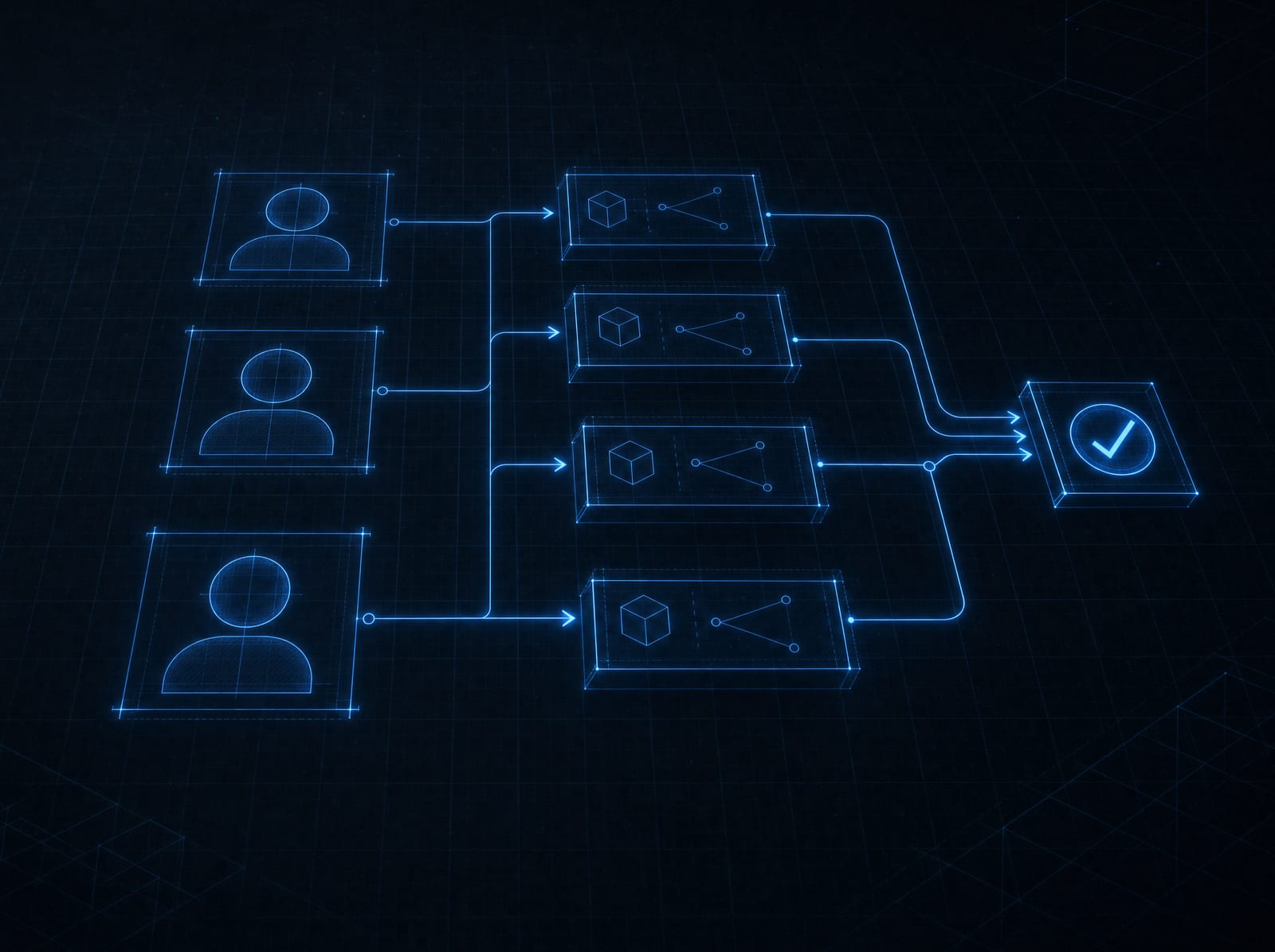
- Secure logins and role-based permissions, so the right people see the right things and nothing leaks where it shouldn't.
- Real connections to the tools you already run: your CRM, your payment account, your calendar, your email, wired together instead of copied between by hand.
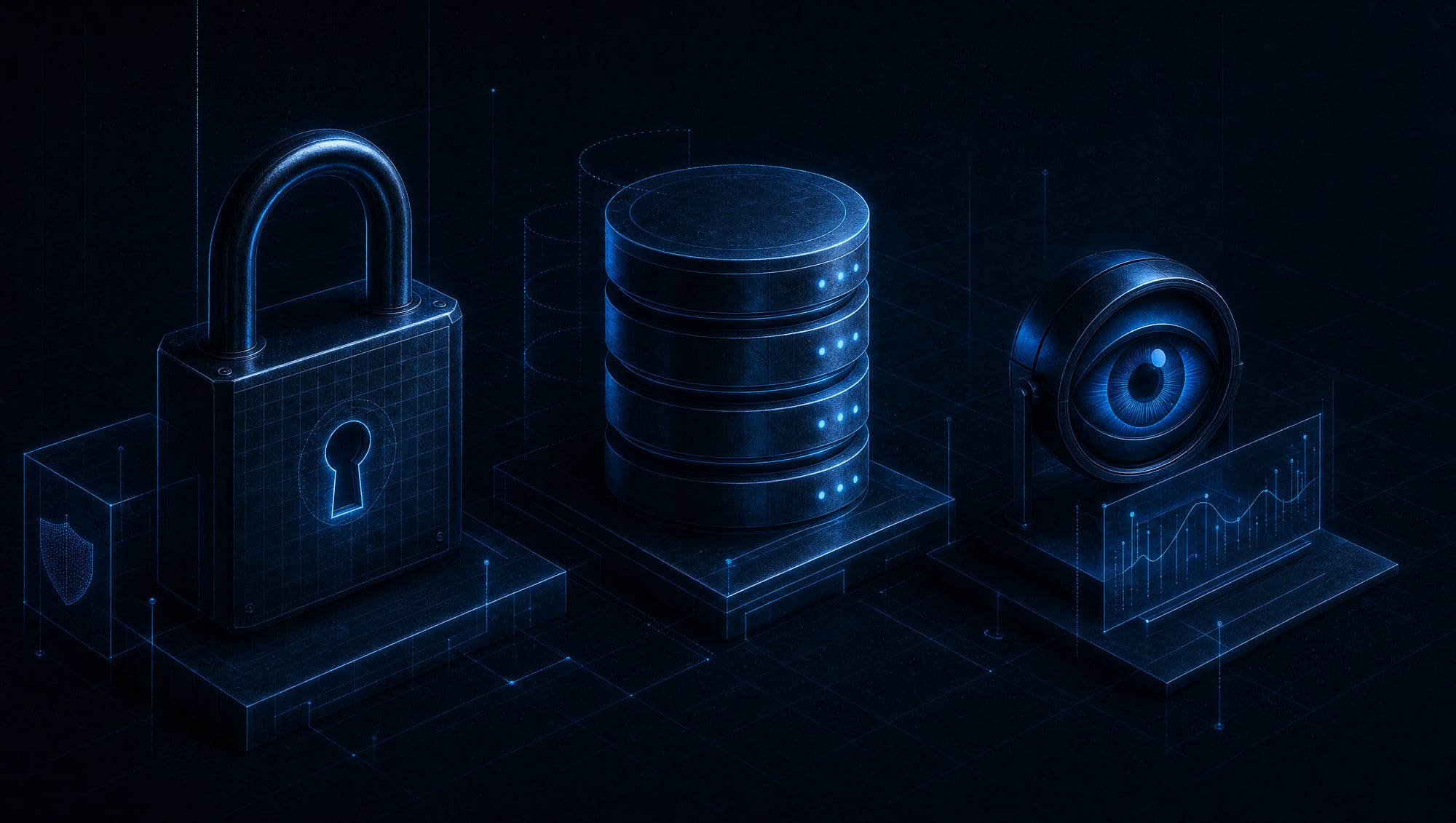
- The plumbing that keeps software honest: backups, logs, and monitoring, so a problem gets caught before your team feels it.
- Accounts registered to you from day one, so the code, the data, and the keys are yours the whole way through.
What you won't get matters just as much. No per-seat meter that charges you more every time you hire. No feature you'll never use padding the invoice. No black box that only the vendor understands. The tool carries exactly what the job needs, and you can watch every piece of it earn its place.
And the line item easiest to leave off a quote: documentation. At handover you get a clear map of what the tool does, where the data lives, and how it runs. If we vanished tomorrow, any competent developer could pick it up and keep going. That sentence is the test we build against.
You don't need an app. You need the job done.
A lot of businesses that ask for custom software don't need it yet. If an off-the-shelf tool does the job well, buy the tool. We'll tell you that to your face, and we have.
Custom earns its keep at a specific moment: when the tool everyone recommends still doesn't fit, and the gap is costing you real time or real money every week.
You know the feeling by now. The spreadsheet that started as a quick fix and now runs a department. The five apps that each do a slice of one job, none of them talking to the others, your team the human glue copy-pasting between them. The per-seat SaaS bill that climbs every time you grow, so success itself gets taxed. The workflow that lives entirely in one employee's head, and the quiet dread of the day they leave.
That's the moment. Not "we should have an app," but "this specific job is bleeding us and nothing on the shelf fixes it." When the work is genuinely yours, generic tools make you pay twice: once in the subscription, and again in all the manual patching you do to make them almost fit.
“Off-the-shelf software is someone else's guess at how your business works. Sometimes the guess is close enough. When it isn't, you feel it every single day.”
Custom flips that. The tool is built around your process, so there's no daily patching, no workaround, no "we just do it this way because the software makes us." The busywork stops because the reason for the busywork is gone.
The trade is real, and we say it plainly: custom costs more up front than another monthly seat, and it takes longer than signing up for one. What you're buying is the end of the rent and the end of the patching. Own the tool once, and the meter stops. Run the math over a couple of years, before you count the hours your team gets back, and it usually flips in your favor.
The riskiest apps are the ones nobody scoped.
Most software projects that go sideways go sideways for one reason: someone started building before anyone agreed on what "done" meant. The bill grows, the timeline slips, and the thing that ships isn't the thing anyone pictured. We've seen the wreckage. We build to avoid it.
So, we scope first, out loud, on paper. Before a line of code, we agree on what the tool must do, who uses it, what counts as finished, and what is deliberately left for later. That last part is the discipline that gets skipped.
We build in phases, on purpose. The first version does the one job that hurts the most, and it does it well. You start using it while it's small enough to understand and cheap enough to change your mind about. Then the next phase adds what real use proved you need, not what sounded good in a kickoff meeting. More features is not more value. The right features are the value, and use is how you find them.
This is also where scope creep gets defanged. Not by refusing every new idea, that's how tools rot. By writing changes down, pricing them honestly, and deciding them together, so the budget never drifts in the dark and you're never surprised by an invoice. Every change is a decision you got to make with the number in front of you.
The honest counterpoint: a phased build means you don't get every dream feature on day one, and some clients want the whole thing at once. We'll build the whole thing when the whole thing is genuinely scoped and funded. We just won't pretend a vague wish list is a plan, because that's the exact thing that sinks these projects.
An app holds data. That changes the stakes.
A brochure website can afford to be simple. An application is different: people log in, records get stored, and something real is trusted to it. That raises the stakes, and we build like it does.
Security isn't a final checkbox we tick before launch. It's baked into every stage, the way the recognized standards for secure software actually recommend. Logins are protected. Permissions decide who can see and do what, so a front-desk account can't reach the owner's numbers. Data is handled with care about what you collect, how long you keep it, and who can touch it. The common ways applications get broken into are designed against from the start, not patched after someone gets in.
Reliability is the other half. A tool your team depends on can't just fall over. So, we build in the parts that only show up when something fails: backups that run on their own, logs that record what happened, and monitoring that flags trouble early. When something does go wrong, and over a long enough life something always does, you find out from a quiet alert, not from an angry customer.
There's a fair question buried here about the newer way software gets written, with AI writing chunks of the code. We use modern tools where they help. We do not ship what they produce unreviewed. Generated code gets read, tested, and secured by a human who's accountable for it, because fast code and safe code are not the same thing, and only one of them is yours to trust.
If your application touches regulated territory, health data, children, payments, anything with rules attached, we build to be careful and we tell you plainly where a compliance or legal review belongs before launch. We won't hand-wave a promise we're not in a position to make.
Six steps. No mystery.
You'll always know which step we're in, what's done, and what's next. Open each one.
A note before you do: with applications, the calendar depends on decisions as much as on code. A focused first version moves fast once the scope is settled. What stretches a build is unanswered questions, so we surface them early and keep the work from idling on our side of the table.
Learn the work
We start with your process, not a feature list. We watch how the job actually gets done today, where it snags, who touches it, and what a good day looks like. Out of that comes a scope you approve: what the tool does, who uses it, and what counts as finished, written down before anything is built.
Design the flow
We design how the tool works before we build it: the screens, the steps, the path a user takes to get the job done. You see it early and mark it up, so we fix the flow on paper, where changes are cheap, instead of after it's coded, where they're not.
Build the first version
We build the core job first, hand-coded on Next.js, with logins and permissions wired in from the start. It's the smallest complete version of the tool: small enough to understand, real enough to use. Your accounts are set up in your name as we go, not transferred later.
Connect and secure
We wire the tool to the systems you already run, your CRM, payments, calendar, email, so data moves on its own instead of by copy-paste. Security and permissions get hardened, backups and monitoring go live, and the whole thing gets tested against the ways software actually breaks.
Prove it works
Quality by evidence, not by hope. We test the real workflows the way your team will use them, check that permissions hold, confirm the integrations behave, and fix what fails before you ever see it. You get a working tool to try with real hands, not a demo that only works when we drive.
Launch and hand over
The tool goes live, and then the part we're known for: the handover. Accounts, code, data, and documentation, handed to you and walked through together. Launch day is the day you own a working tool, not the day you start renting one.
1
An app is rarely an island.
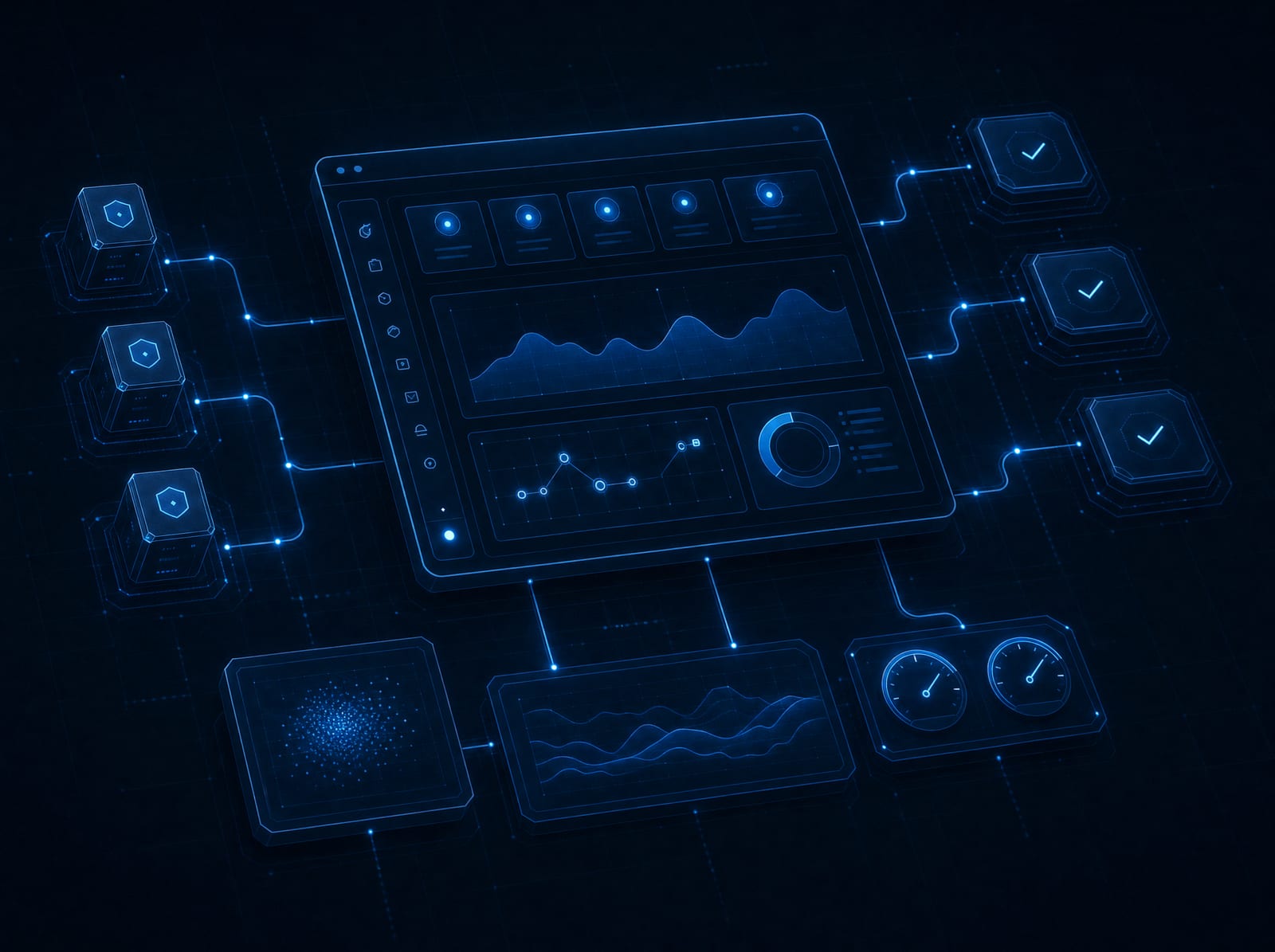
An application usually lives next to a website, and the two are stronger built together. Your public site attracts and informs; the app lets people do the harder things: log in, check status, submit, pay, manage. When both come from the same shop, they share one design, one login, one set of accounts, and the seam between "site" and "software" disappears for the person using it.
That's why this service sits right beside our custom web design and development: same stack, same hands, same standard of ownership. If your app needs to take payments, the store side is its own craft, a hand-written cart on your own payment account, which is what our custom e-commerce development is built for. And when the job is less "build a screen" and more "make the repetitive work run itself," that's the line where an app hands off to AI-driven automation and custom AI solutions: the intake that reads itself, the follow-up that sends itself, the assistant that never sleeps through a lead.
We say all this to make one point plainly: we scope your tool to do its one job well, and we connect it to the rest of your web presence instead of walling it off. You end up with a system, not a pile of parts that each need a different vendor to explain them.
“If you can't take your tool and leave, you don't own it. You rent it. We build so the door is never locked.”
That pull-quote is the whole handover, and it leads to the most clarifying question in this business: "If we part ways next month, what do I keep?" Where the tool was only ever rented, the answer is a login that stops working and a data export you can't do much with. The tool was theirs all along; you were a tenant.
Here's our answer. Everything leaves with you. The code, the design, the data, the documentation: yours. The accounts the tool runs on are created in your name from the start, so there's nothing to "transfer" because you always held them. And none of it depends on you being technical. Any competent developer can pick it up the same day and keep it running.
This isn't generosity, and it isn't the same thing as no commitment. Real work runs on real terms: a setup fee, a clear scope, and a timeline sized to what you're actually building. What you'll never sign is a trap. We keep your business by building software worth keeping, not by holding your tool hostage. The terms are written down, the ownership is real, and neither one leans on the other.
Software also isn't a thing you finish and walk away from. It needs the occasional update, the security patch, the small change as your work changes. That's a choice, not a leash: when you want us on it, ongoing maintenance and support is there by choice, and when you'd rather hand it to your own developer, everything they need is already in your hands.
Ready when you are. Your work, actually yours.
Tell us about your business and what this needs to cause. You'll have a plan back within one business day, including when the answer is that you do not need this.
Tell us your caseThe handover, drawn as it feels: accounts, code, and documentation changing hands, nothing held back.
Asked and answered, before the call.
Should I build custom or just use an off-the-shelf tool?
Buy the tool if it does the job well. We mean that. Custom earns its place only when the ready-made options genuinely don't fit and the gap is costing you real time or money each week. We'll help you figure out which situation you're actually in before anyone talks about building, because the wrong answer here is expensive.
Ask if Application Development is the right callWhat does it cost?
Custom work is quoted per project: a setup fee and a flat number you see before we begin. No hourly meter, no surprise line items. Because we build in phases, you also see the cost of each phase before it starts, and any change gets priced and agreed before it happens. Larger or ongoing work runs on clear terms sized to what's actually being built, and every term is in writing before anything starts.
Get Application Development priced for your businessHow long does it take?
A focused first version usually takes weeks, not months. Bigger systems take longer and get a written timeline in the proposal. The honest variable is decisions: when questions come back quickly, the build moves quickly, because hand-coding is fast once the scope is settled.
Ask how long Application Development takesWho owns the code and the data?
You do, from day one. The accounts the tool runs on are set up in your name, the code and data are yours, and you get documentation so any developer can maintain it. Ownership is written into the terms, not implied.
Ask who owns what on Application DevelopmentCan it connect to the systems we already use?
Usually, yes. If your CRM, payment account, calendar, or other tools offer a supported way to connect, we wire them together so data moves on its own instead of by hand. Where a system can't connect cleanly, we tell you that up front rather than promising around it.
Ask us about Application DevelopmentDoes the application need maintenance after launch?
Yes, and any honest shop will say so. Software sits on parts that change: security patches, dependencies, your own evolving needs. Maintenance is a choice you make, with us or with your own developer, never a dependency we lock you into.
Talk Application Development through with usIf one job in your business is bleeding hours into spreadsheets and workarounds, that job is where this starts. Describe it in a sentence or two and we will tell you whether it is worth building, or whether something off the shelf already covers it.