


You want a real website, you have asked around, and the quotes came back all over the map. One provider says a few thousand dollars, another says five figures, and a third answers in monthly payments that never seem to end. None of them explains why. So, you are left guessing whether you are about to overpay, underbuy, or sign up for a bill that outlives the project.
Here is why. A custom website does not have one price because it is not one thing. The number follows the work, the risk, and what you need the site to actually do. Once you can see what moves the price, the wildly different quotes stop being confusing and start being comparable.
Key Takeaways
What the site must do, the content, the integrations, and the ownership terms move the number far more than how many pages it has.
Current Clutch data is useful market context, not a quote for your specific build.
A clear proposal breaks out strategy, design, build, content, and search work instead of hiding them in one lump total.
Hosting, maintenance, software, and marketing continue after go-live, so compare the total cost of ownership.
You should control the domain, the code, the content, the analytics, and the payment accounts, so you are never trapped with one provider.
A cheaper total usually hides excluded work, so match scope against scope before you match price against price.
Why Two "Custom Website" Quotes Can Look Nothing Alike
Start with the word doing the most damage: custom. To one provider it means a template with your logo dropped in and the colors changed. To another it means an original design and hand-built code shaped around how your business actually runs. Those are different amounts of work, and pricing them as if they are the same is how buyers get burned. When a quote looks suspiciously low, the first question is not "why so cheap," it is "what is this actually building."
The most honest answer to "how much does a custom website cost" is a range, not a number. Current Clutch pricing data shows most reviewed web design and development projects come in under $10,000, but that is market context, not a promise. A focused small-business site can sit well below it. A build with original design, ecommerce, integrations, content migration, and ongoing marketing can sit well above it. The figure is a starting point for the conversation, not the end of it.

What Actually Moves the Price
A website's cost is shaped by a handful of factors that have almost nothing to do with page count. Two five-page sites can differ by a factor of ten because one is plain text and a contact form while the other carries original research, custom layouts, a CRM connection, and migration protection. Here is what actually drives the number.
Scope and Content
More pages mean more writing, editing, design, internal linking, review, and testing. But the heavier cost is usually the content itself: real copy, photography, and product data take time whether you supply them or the provider creates them.
Original Design vs an Adapted Template
Unique page systems, custom illustration, and several original layouts cost more than adapting one fixed template. That premium buys a site that looks like your business and no one else's, and it is a real choice, not an automatic upsell.
Ecommerce and Integrations
Selling online adds products, checkout, payments, taxes, shipping, inventory, accounts, and refunds. Every connection to another system, a CRM, a booking tool, payment processing, email, or accounting, adds planning, development, permissions, and testing on top.
Custom Features and Migration
Calculators, portals, directories, quote builders, and AI workflows are software, not marketing pages, and they are priced like it. Moving an existing site, its articles, products, images, redirects, and metadata, can be a major line item on its own, and a redesign that has to preserve rankings often costs more than a brand-new build.
Accessibility, Performance, and Testing
Accessible, fast, well-tested sites take deliberate work across content, code, forms, contrast, and assistive technology. It is the least visible part of a quote and one of the most valuable, because it is what keeps the site working for real visitors after launch.
How Much a Website Costs for a Small Business
For most small businesses the right budget comes down to what the site must do, so it helps to think in three tiers.
The Basic Business Site
Clear pages, mobile-first layout, contact forms, analytics, and solid search foundations. This is the workhorse for a service business that needs to be found and trusted, and it is the most affordable custom tier.
The Growth Site
Everything above plus original design, deeper content, local or service landing pages, a CRM or booking connection, and stronger conversion paths. This is where a site stops being a brochure and starts being a lead engine.
Ecommerce or a Custom Application
A store or a tool with products, payments, customer accounts, and databases. We build stores on Stripe rather than renting them on a platform that charges per sale, and applications get built as software, because that is what they are. This tier costs the most and returns the most when the operation behind it is real.
The Four Ways Custom Work Gets Priced
Beyond the total, how you are billed matters, because it tells you how much risk each side is carrying. Most custom work is priced one of four ways.
| Pricing Model | Fits Best When |
|---|---|
| Fixed project price | The scope, pages, features, and timeline are clearly defined up front |
| Hourly billing | Requirements are uncertain, or the work is discovery, repair, or likely to change |
| Phased project | You want to start with the highest-value work and add improvements in stages |
| Monthly partnership | The build comes bundled with SEO, content, maintenance, or hosting over time |
The model matters less than the clarity behind it, and when several quotes arrive using different models, lining them up so they describe the same job is the step that makes them comparable. A fixed price is only safe when the scope is genuinely nailed down, and a monthly plan is only fair when the agreement states plainly what the fee covers, what you own, and what happens when it ends. Clear contracts and commitments are normal. Being trapped is not.

Design Cost vs Development Cost
Some proposals fold everything into one number, and knowing what actually happens at each stage of a build is what lets you see which parts a single number is hiding. Better ones separate the two halves of the work so you can see what you are paying for. Design cost covers research, page structure, user flows, the visual system, responsive layouts, and revisions.
Development cost covers the code, content systems, integrations, forms, databases, performance, security, and deployment. On top of both sit content and search work: the writing, metadata, internal linking, and migration protection that decide whether the finished site actually gets found. When you compare two quotes, compare these line by line rather than holding one grand total against another, and if the hourly figures are what is confusing you, the published designer rates and what each one measures sort that out separately.
What a Real Quote Should Spell Out
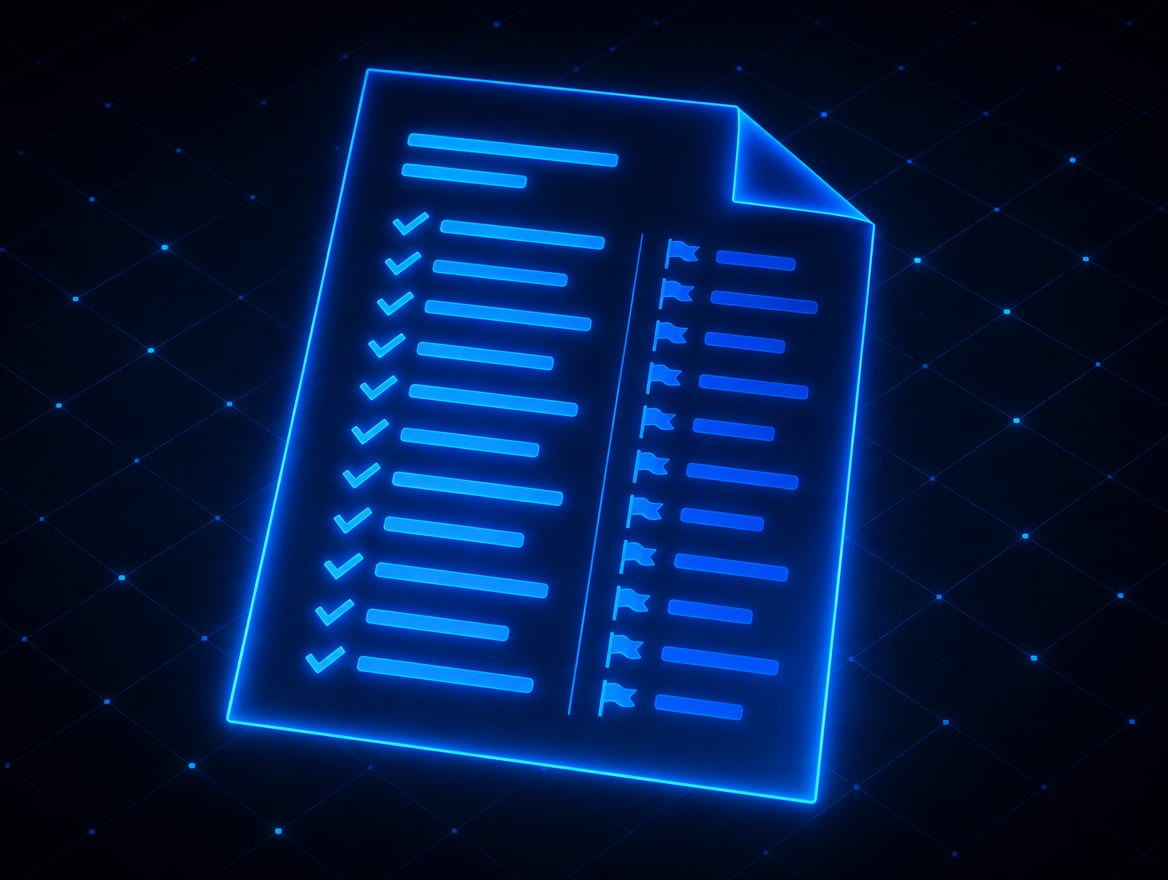
A useful proposal is specific about what is in and, just as important, what is out. Unclear exclusions are the single most common source of change orders and budget arguments later. Before you sign, the quote should define the goals, the page list, the design scope, who writes the content, the features and integrations, the SEO and migration work, the revision rounds, the testing, the hosting and deployment, the maintenance, the timeline, your responsibilities, the payment schedule, and the ownership terms. If a proposal is vague on any of those, that is not a detail to sort out later. It is the conversation to have now.
The Costs Owners Forget
The launch invoice is rarely the whole story. Copywriting, photography, product entry, data cleanup, redirects, accessibility work, premium software, payment fees, email setup, training, and future content all have a way of arriving after the excitement of go-live. None of them are hidden if the proposal is honest, but a low headline price often earns its low number by leaving them out.
Then there is the part that keeps running: hosting, domain renewal, maintenance, security, content updates, SEO, payment processing, and support. A cheap build that leans on paid plugins and platform fees can cost more over three years than a well-built site with lower ongoing overhead. The right comparison is never the launch price alone. It is the total cost of ownership.

Cheap Site vs Custom Site
A low-cost builder or template is a perfectly good answer for a simple job: a short-term test, a personal portfolio, or a brand-new business with basic needs and a tight timeline. There is no shame in starting there. Custom work earns its cost when the business needs real speed, a design that is genuinely its own, complex integrations, ecommerce flexibility, unique workflows, several locations or services, or simply the room to grow without hitting a platform's ceiling. The question is never whether cheap or custom is better in the abstract. It is which one fits your requirements and your total cost over time.
There is one more difference worth naming. Rented platforms own the ground your site sits on. A custom site you own outright is the exit door: it is safe, it is running, there is nothing to babysit, and it leaves with you if you ever change providers. WordPress earned its era, and plenty of businesses still run well on it. New builds simply belong to what comes next, custom, fast, and yours.
How to Set a Budget That Holds Up
Do not start by asking every provider for its cheapest package. Start with the outcome. What should the website help a customer do? Which services or products matter most? What systems have to connect, what content already exists, what must be ready at launch, and what can wait for a later phase? Who maintains it once it is live, and what happens when it succeeds and traffic grows? Answer those first, then ask each provider to separate the essential work from the optional work. That single move turns a pile of un-comparable totals into a real, apples-to-apples decision, and it is the fastest way to stop guessing about price.
Quick Check: Custom Website Cost
Pick an answer to begin.
1. What drives the cost of a custom website more than anything else?
2. The "under $10,000" figure from Clutch is best treated as:
3. When comparing two website proposals, the smartest move is to:
Frequently Asked Questions About Custom Website Cost
How much does a custom website cost?
Many reviewed web design and development projects come in under $10,000, but a custom build can cost more depending on design depth, content, ecommerce, integrations, migration, accessibility, and ongoing support. The answer is a range shaped by what the site needs to do.
How much does a website cost for a small business?
A basic small-business site can run a few thousand dollars, while a growth site with custom design, deeper content, booking, or a CRM connection costs more, and an ecommerce store or custom tool costs more still. Budget by what the site must accomplish, not by page count.
Why do custom website prices vary so much?
Providers differ in experience, team size, process, technology, quality control, and how much of the work they take on. A freelancer, a small studio, and a full agency can all quote the same request differently because they are not delivering the same process or the same risk coverage.
Is custom website pricing fixed or hourly?
It can be fixed, hourly, phased, or a monthly partnership. The right model depends on how clearly the requirements are defined. Well-defined scope suits a fixed price, while uncertain or evolving work suits hourly or phased billing.
What ongoing costs should I expect after launch?
Hosting, domain renewal, maintenance, security, content updates, SEO, payment processing, and support can all continue after go-live. A good proposal lists these up front and names who receives each payment, so nothing is a surprise.
Will I actually own the custom website?
You should, and it should be written into the agreement. You want clear control of the domain, the code, the design, the content, the analytics, and the payment accounts. Ownership does not mean no contracts or commitments. It means you are never trapped and can move on when you choose.
Final Thoughts
The cost of a custom website follows what you need the site to do. A trustworthy proposal shows the work, the exclusions, the ongoing costs, and the ownership terms before the project starts, and it lets you compare scope against scope instead of guessing at a number. The cheapest launch is rarely the lowest total, and the best value is the site that works, can be maintained, and never traps your business.
The payoff of getting this right is quiet but real. You spend once on the correct build instead of twice on a cheap one you outgrow, you own the thing you paid for, and your ongoing costs are visible instead of creeping. That is the difference between a website as an expense and a website as an asset.
At Web Leveling, we build custom, fast sites you own outright, along with the web design and the marketing and AI systems around them. We would rather scope your project honestly than hand you a number that means nothing, so contact us and we will send back a clear, workable plan within one business day. No pressure, no mystery pricing, just a straight answer to what your build actually takes.