


You searched "best GEO tools" because you have a suspicion, and it is probably correct: when someone asks ChatGPT, Google's AI Overviews, or Perplexity who to hire in your field, your name does not come up. A competitor's does. So, the natural next move is to go buy a tool that fixes it. Before you do, here is what these tools are, what they can actually measure, and the one thing none of them can do for you. Generative engine optimization is the work of making your business easy for answer engines to find, understand, cite, and recommend. If you want the full explainer, we wrote what generative engine optimization is separately. This guide is about the tools.
Key Takeaways
A GEO tool tells you whether AI engines mention you. It does not make you worth mentioning. That part is still the work.
"GEO tool" covers monitoring, citation tracking, prompt testing, entity help, and content research. They overlap; buy for the job you actually have.
Products like Profound, Peec AI, and Otterly.ai evolve monthly. Check each vendor's current docs and pricing before you trust a roundup.
Monitoring shows a baseline and trend. It cannot prove a single edit caused a citation, or replace real evidence and reputation.
You can check what each engine says about your brand today, by hand, for nothing. Do that before buying anything.
Entity consistency, credible sources, citation-worthy content, and clean structure are what earn the mention. No tool does that for you.
What GEO Tools Actually Do
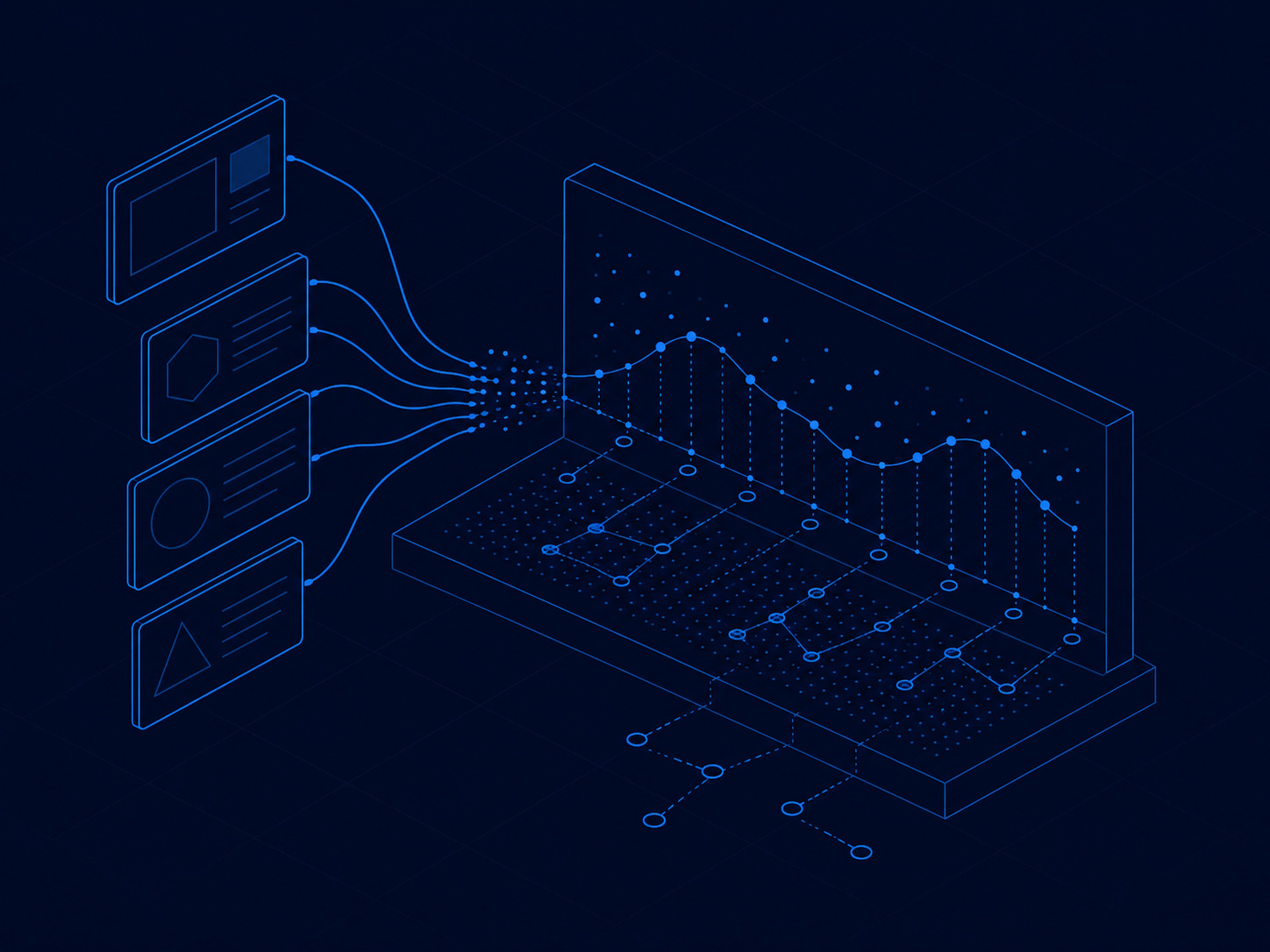
Almost everything sold as a "GEO tool" or "AI visibility platform" does one job: it watches the answer engines and reports whether, and how, your brand shows up. That is genuinely useful. It is also not the same as improving your visibility, and conflating the two is where budgets get wasted. The category splits into a handful of overlapping jobs.
| Category | What it does | What to verify before buying |
|---|---|---|
| AI answer monitoring | Tracks how ChatGPT, AI Overviews, Perplexity, and others answer your key prompts | Which engines, how often, and from which locations |
| Citation and mention tracking | Records when and where your brand is named or linked in answers | Whether it captures the actual cited source, not just a mention |
| Prompt testing | Runs a set of buyer questions and logs the responses over time | How many prompts, and whether you control them |
| Entity and schema support | Helps make your business a consistent, machine-readable entity | Whether it changes anything or only reports |
| Content research | Suggests answer-ready content and gaps | Whether advice is generic or tied to your data |
| Share of voice | Compares how often you appear versus competitors | How the comparison set is chosen |
The Tools People Name
Ask around and the same products come up. Grouped loosely by what they lead with: dedicated AI-visibility and citation monitors like Profound, Peec AI, Otterly.ai, Scrunch, and Goodie; established SEO suites that have added AI-answer features, like Semrush and Ahrefs; and content platforms with AI-optimization modes, like Writesonic and Surfer. That is not a ranking, and it is deliberately not a price list. These products change their features, engine coverage, and pricing constantly, so any static "best tool" table goes stale within weeks. Use a roundup to learn the categories, then go to each vendor's own documentation and pricing page for what is true today.
One distinction cuts through most of the noise: separate the tools that only monitor from the work that actually optimizes. A monitor tells you the score. It does not change it. Both matter, but you should know which one you are paying for.
What the Tools Can and Cannot Do
The independent evidence that specific GEO tactics move AI citations is still thin. The main academic study on the subject tested content changes in a controlled setting, but real answer engines vary by model, retrieval system, prompt, timing, and who is asking. A vendor dashboard can establish a monitoring baseline. It cannot prove that one edit caused a citation or a sale.
| A GEO tool can | A GEO tool cannot |
|---|---|
| Give you a repeatable snapshot of mentions and citations | Guarantee you appear in a live AI answer |
| Show trends over time and against competitors | Reproduce every personalized, one-off response |
| Surface missing prompts and inconsistent entity data | Replace real evidence, reputation, and editorial judgment |
| Flag which competitors get named repeatedly | Fix a slow, unstructured, or thin website for you |
Treat any point-in-time "AI visibility score" as a diagnostic, not a verdict. It is a thermometer, not the cure.
The Red Flags
Some of the loudest offers in this space are the ones to walk away from. Be skeptical of any tool or "GEO agency" that promises guaranteed citations or a spot in AI answers, sells a black-box score it will not explain, runs a pay-to-be-listed directory dressed up as a ranking, or hands you a report with no recommended page, source, or action. A report that does not end in "change this, on this page, for this reason" is activity, not progress.

A Sensible Starting Point, by Budget
You do not need to spend anything to begin. Work up only as the questions get harder. When you reach the paid steps, our breakdown of generative engine optimization cost shows what a quote should list.
- Free, do it yourself: Open each engine and ask the questions your buyers ask ("best [your service] company," "who should I hire for X"). Note whether you appear and what gets cited. This costs an afternoon and tells you most of what a first dashboard would.
- A paid monitor: When you need to track prompts consistently, watch competitors, or report a trend over time, a monitoring tool earns its fee. Buy the one whose engine coverage and prompt control fit your market, not the one with the flashiest score.
- A partner: When you want the visibility actually improved, not just measured, that is optimization work: consistent entity data, credible sources, citation-worthy content, and clean, fast, structured pages. A tool reports the gap. Someone still has to close it.
What No Tool Can Do
Here is the moat, and it is the same reason a dashboard alone never moves the needle. Answer engines cite sources they can trust: businesses with consistent facts across the web, genuinely useful content, real credibility, and pages that are fast and structured enough to read cleanly. Building that is human work. It is the entity consistency, the digital PR that earns real mentions, the content actually worth quoting, and the search engine optimization and site quality underneath. Tools point at the gap. They do not close it. That is why content marketing, online reputation, and a fast, well-built site do more for your AI visibility than any single subscription.
Quick Check: GEO Tools
Pick an answer to begin.
1. What does a GEO tool actually do?
2. What is a red flag when buying a GEO tool or service?
3. What earns a mention in an AI answer, regardless of which tool you buy?
Frequently Asked Questions About GEO Tools
Is GEO software worth it?
For monitoring, often yes: a tool gives you a repeatable read on whether AI engines mention you and how you compare to competitors. Just know it measures the problem rather than solving it. The improvement is still the work.
What is the cheapest way to start with GEO?
Free. Ask each answer engine the questions your buyers ask and note whether you appear and what gets cited. Do that before paying for any dashboard; it tells you most of what a first tool would.
Do I need a GEO tool or an agency?
A tool if you want to measure and track. A partner if you want the visibility actually improved, which means entity, content, reputation, and site work a dashboard cannot do. Many businesses use a tool to watch and a partner to close the gap.
Do these tools actually work?
They work as monitors: they reliably show mentions, citations, and trends. What no tool can prove is that a single change caused a citation, because live answers vary by model, prompt, and context. Treat scores as diagnostics.
Which GEO tool is best?
There is no single best, and any roundup that claims one is selling something. The categories are stable; the specific products and prices change monthly. Pick by the engines and prompts that matter to your market, and check each vendor's current documentation.
Final Thoughts
A GEO tool is a good thermometer and a poor cure. It will tell you, honestly and repeatably, whether the answer engines mention you and how you stack up against the competition. That is worth knowing. What it will not do is make you worth mentioning, because that comes from consistent facts, credible sources, content actually worth quoting, and a site fast and clean enough to read. Buy the tool to see the gap. Do the work to close it.
Start free, measure honestly, and spend only where a tool earns its place. Then put your real effort where the mentions actually come from.
At Web Leveling, we do the part a dashboard can't: generative engine optimization as real work, consistent entity data, citation-worthy content, and the fast, structured pages answer engines trust, measured against a baseline and owned outright by you. If you are tired of watching AI hand your competitors the introduction, contact us and we will send back a straight read on why you are not being named, within one business day.
Terms
GEO Tool Terms, Decoded
Tap a term to see what it means.
AI visibility. Whether and how often answer engines surface your brand when someone asks a relevant question.
Citation. A specific source an answer engine links or names as the basis for what it said.
Share of voice. How often you appear in answers compared with your competitors for the same prompts.
Prompt coverage. The set of real buyer questions a tool tests, and how many of them you control.
Entity. Your business represented as consistent, machine-readable facts an engine can trust and reuse.
Answer-ready content. Pages written so an engine can lift a clear, correct, attributable answer straight from them.