

Sell what you know, on a store that stays yours.
You have expertise trapped in your head. This is the service that turns it into an ebook, a course, a set of templates, or a downloadable tool, packaged to sell on a store you own instead of a marketplace that rents you your own audience.

Expertise leaving your head and taking a shape a stranger can buy.
You know something people will pay for. Right now it only lives in your head.
You answer the same questions every week. You walk clients through the same steps, send the same advice, fix the same mistakes for people who found you too late. That knowledge is an asset. It just doesn't earn anything sitting where it is, because your time is the only way anyone can get at it, and your time is finite and priced by the hour.
A digital product changes that arithmetic. We take what you know and turn it into something a stranger can buy at two in the morning without you being awake: an ebook that carries your method, a course that walks a buyer through it, a set of templates that saves them a day of work, a downloadable tool that does one job well. You make it once. It sells while you sleep.
Here's what a build with us includes:
- The product itself, produced properly: an ebook, an online course, a template pack, a downloadable tool, or a paid resource library, designed and written so it's genuinely worth paying for.
- A store to sell it on, built into your own site, with a real checkout that keeps the money and the customer records in accounts registered to you.
- Delivery that just works: the buyer pays, the file or the course access arrives, the receipt sends, all of it automatic and none of it renting space on someone else's platform.
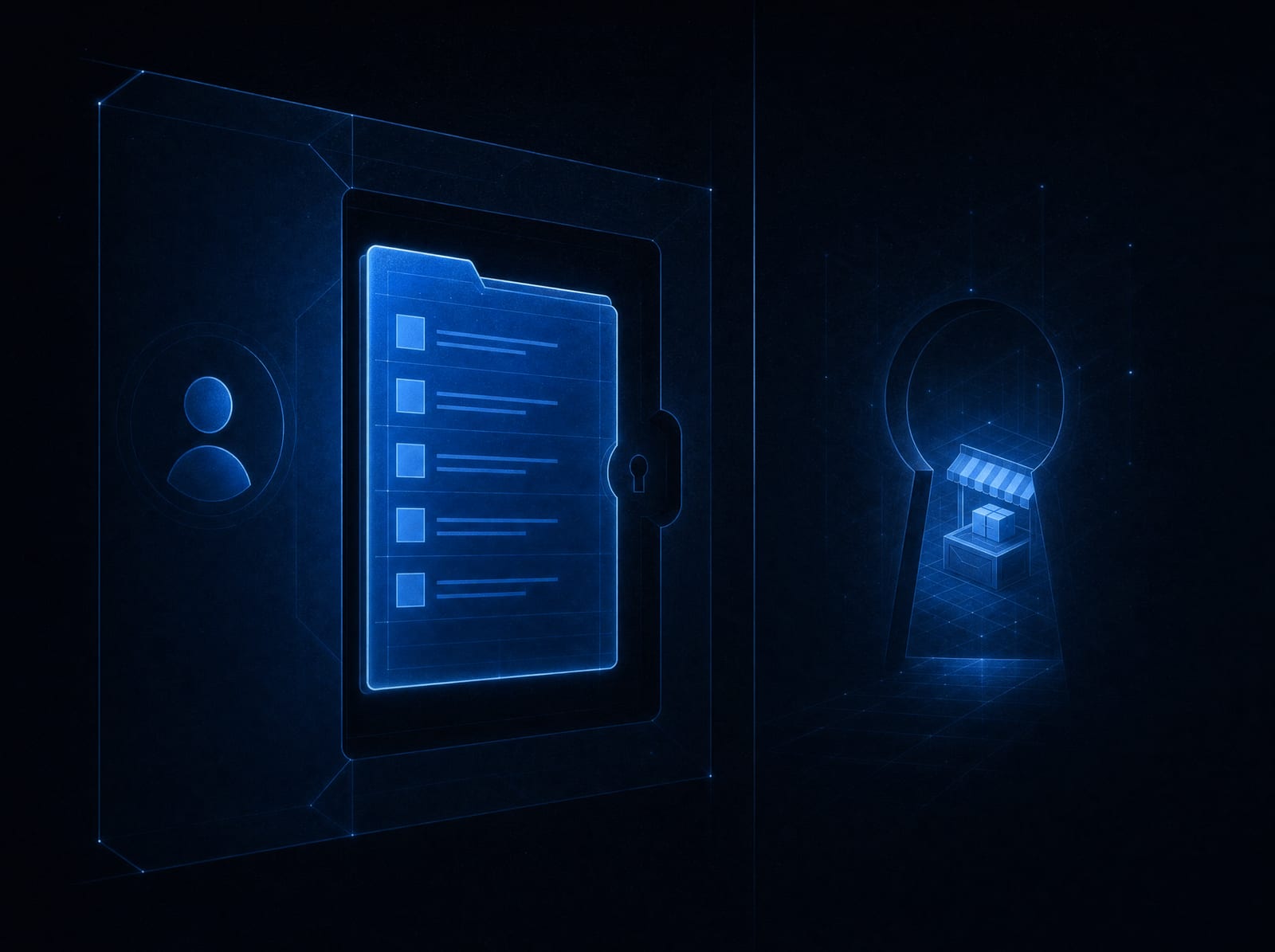
- The customer list: everyone who buys becomes a name and an email that belongs to you, not to a marketplace that lets you glimpse them through a keyhole.
- The source files, editable and yours, so the product grows and changes on your say-so, not a platform's export limits.
What you won't get is a "passive income machine," because there's no such thing. What you get is a real asset that earns money without charging your time for every sale, which is a different and truer promise.
The easy path costs you the two things that matter. Your margin and your customers.
When most people decide to sell what they know, they reach for whatever is fastest to set up. A course marketplace. A big template bazaar. A platform that promises an audience already waiting. It feels like a shortcut, and for a weekend it is. Then the bill comes due,, on every single sale, forever.
Look at what these arrangements actually take. Marketplace commissions skim a slice off the top of every transaction, and the "top" is your margin. Course-platform rent charges you a monthly fee to keep your own product online, so you're paying to be allowed to sell. Worst of the three, the platform that owns your buyers keeps the customer relationship for itself: the marketplace knows who bought from you, and you don't, which means you can never sell them the next thing directly. You built the product. They kept the customer.
That last part is the quiet theft. A customer who buys your ebook is worth far more than one sale, because a happy buyer is the most likely person on earth to buy your next thing. On a marketplace, you never get to find out. They're the marketplace's customer who happened to buy your product. You're a supplier, interchangeable, one search result among thousands, with no way to reach the people who already trust you.
“On a marketplace, you don't own your customers. You rent access to them, and the rent goes up.”
We build the opposite of that. Your product sells on a store that lives inside your own site, on your own domain, through a checkout in your own payment account. The commission is zero because there's no middleman. The customer list is yours because the sale happened on your ground. When you launch product number two, you email the people who bought product number one, and you don't ask anyone's permission to do it.
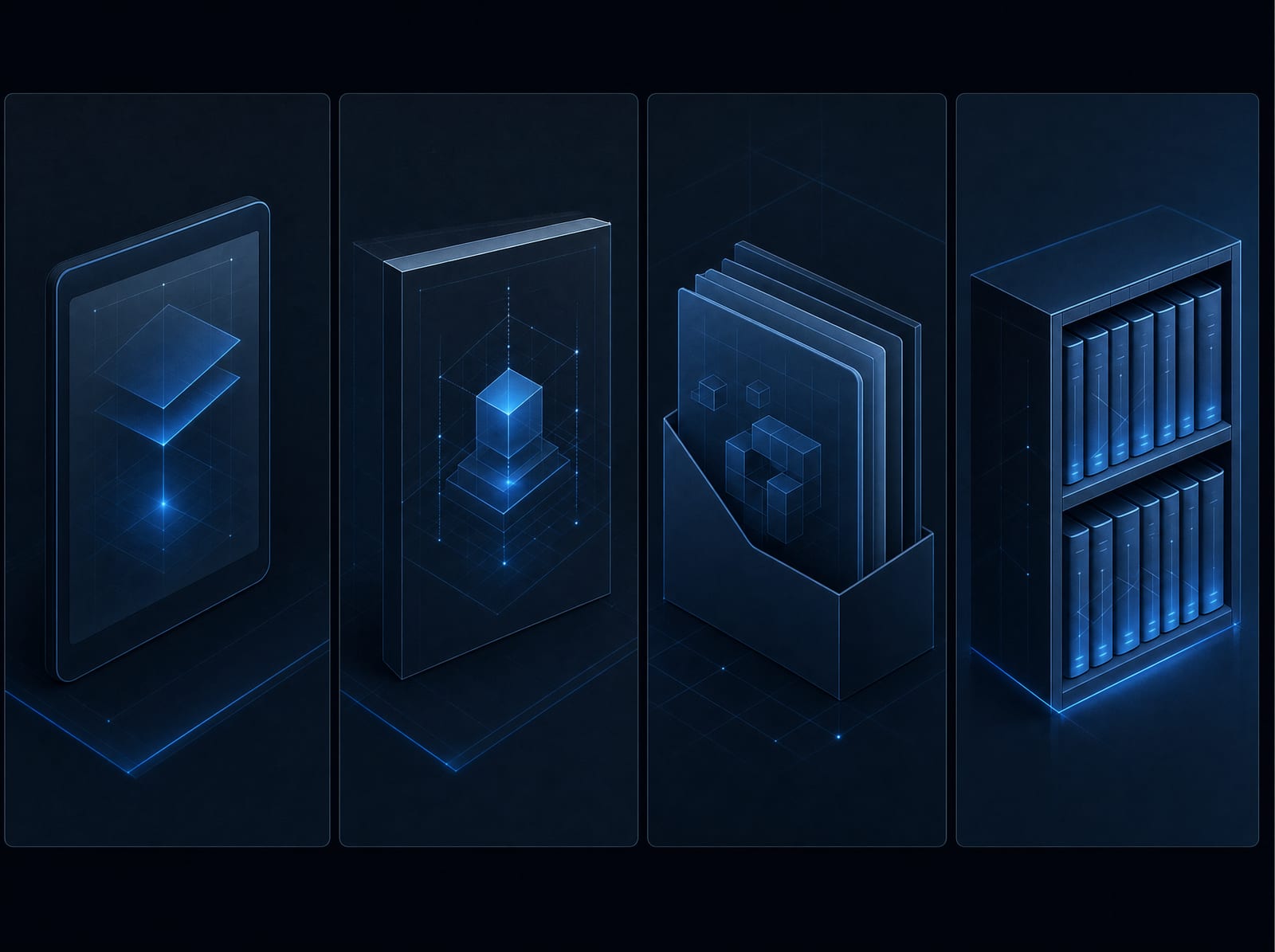
One offering, several shapes. We pick the one that fits what you know.
"Digital product" is a category, not a single thing. The right shape depends on what you know, how your buyers want to consume it, and what they'll actually finish. Part of this service is helping you choose, because building the wrong format beautifully is still building the wrong thing.
An ebook or guide. The most direct way to package a method: your knowledge written down, designed to be read and kept, delivered as a clean file the moment someone pays. Fast to produce, easy to update, and a natural first product for a business testing whether people will pay for what it knows.
An online course. When the material is a process someone has to be walked through, a course carries it: lessons in order, in a member area on your own site, with the buyer's access tied to their purchase. More work to make well, and more valuable when it's done, because a course sells for more than a document and teaches better than one.
A template or tool pack. Sometimes what people want isn't your knowledge, it's the shortcut your knowledge produces: the spreadsheet, the contract skeleton, the checklist, the design file, the calculator. A buyer pays to skip the day of work you already did. These sell and constantly because they solve a specific problem in one click.
A paid resource library. When you have a lot to offer and buyers want ongoing access, a members' area holds it: a growing shelf of downloads, guides, and tools behind a single login, which you add to over time. This is the shape that turns a one-time sale into a customer who stays.
A good digital product is real work to make. We'd rather tell you that now.
The pitch usually pretends this is easy. Record a few videos, they say, upload them, watch the money roll in while you sip something on a beach. It's a nice picture. It's also mostly a lie, and it's the reason so many digital products die unbought in a folder somewhere.
Here's the truth we'd rather you hear from us than learn the expensive way. A product worth paying for takes real effort to make well. The knowledge has to be organized so a stranger can follow it without you in the room. The writing has to be clear. The design has to make it feel worth the price. The thing has to actually deliver the outcome it promises, because the internet has a long memory for products that don't. None of that happens by accident, and none of it happens instantly.
“Passive income is a marketing phrase. A product that earns while you sleep is real, but only after the work that makes it good.”
The good news is that the work is front-loaded. You do it once, with us, and then the product earns for years off that single effort. That's the actual promise, and it's better than the fantasy because it's true: not money for nothing, but money decoupled from your hours. Build it right one time and it stops charging your calendar for every sale.
We'll also tell you when the answer is "not yet." If nobody has shown they'll pay for this, the responsible move is a small, cheap first version that tests demand before you pour months into a polished course. We'd rather help you prove people want it than help you build something gorgeous that nobody buys. Guaranteed sales are a thing no honest builder promises, so we don't. Validated demand is a thing we can help you find, so we do.
Five steps, from idea to first sale. You'll know which one we're in.
This is where strategy, production, and technology come together, ideally under one roof, because a product built by one team, sold on a store built by the same team, delivered by that same team, has no seams for the buyer to fall through. Here's the path.
Find the product
We start with what you know and who pays for it, then find the product hiding inside your expertise. What outcome do buyers actually want, which format delivers it best, what will they finish, and what will they pay. Where demand is unproven, we scope a small first version to test it before you invest in the full build. You approve the concept, the format, and the price direction before anything gets made.
Produce it
We make the thing. The material gets organized so a stranger can follow it alone, the copy gets written to be clear, and the design gets built so the product feels worth its price. An ebook gets laid out and typeset. A course gets structured into lessons. A template gets built and tested against the job it's meant to do. AI can speed parts of this, and we use it where it genuinely helps, but a human reviews everything for accuracy, originality, and fit, because your name is on it.
Package it
A product isn't finished until it's ready to be sold and used. We build the cover, the sales page that explains who it's for and what it does, the pricing, and the terms: what the buyer gets, how refunds work, what they're licensed to do with it. This is the difference between a file and a product someone confidently buys.
Price it and sell it
The store goes live inside your own site, on your own domain, with a real checkout wired to your own payment account. We set the price with you, plainly, no false scarcity and no fake countdown timers, because that stuff sells once and costs trust forever. The customer pays you directly, the commission is zero, and the sale lands in accounts that carry your name.
Deliver it
The moment someone buys, the delivery is automatic: the file arrives, or the course access unlocks, the receipt sends, and the buyer becomes a name on your list. No manual emailing files at midnight, no marketplace standing between you and the person who just paid you. It runs itself, and it runs on your ground.
1

The store is on your site. The customers are yours outright.
This service only makes sense next to one belief: that the thing you build should belong to you completely. That's why we never sell your product on a marketplace and call it done. We build the store into your own website, so selling what you know uses the same foundation as the rest of your business. It pairs naturally with a custom e-commerce store built on your own checkout, because a digital product and a real cart are the same problem solved once.
Think about what that ownership actually contains. The product files are yours, editable, not locked inside a platform's export tool. The sales page is on your domain, earning search authority for your business instead of a marketplace's. The payment account is registered to you, so the money arrives without a cut taken on the way. And the customer list, every buyer's name and email, sits in accounts you control, which is the single most valuable thing this whole process produces.
That customer list is why owning the store beats renting a spot on a marketplace every time. Your first product is really an introduction. It earns you a group of people who paid you money and were glad they did, which is the warmest audience a business can have. Own that list and every future product has a built-in first day of sales. You reach the people who already trust you, directly, through email campaigns that bring past buyers back for the next thing. Rent your customers from a marketplace and you start from zero every single time, which is exactly how the marketplace likes it.
“If you can't take your product and your customers and walk out the door, you don't own a business. You're a supplier to someone who does.”
Ready when you are. Your work, actually yours.
Tell us about your business and what this needs to cause. You'll have a plan back within one business day, including when the answer is that you do not need this.
Tell us your caseA list of buyers held in your own hands, not glimpsed through a marketplace keyhole.
Answered plainly, before the call.
What does it cost?
Honestly, it depends on the product, and we'll quote it plainly before you commit. A single ebook packaged for sale is a smaller job than a full multi-lesson course with a member area. Every build runs on a setup fee and a flat, written number you see before we begin, with no hourly meter and no surprise line items. What we won't do is pretend a real product is free or instant to make. It's an investment in an asset that then earns for years, and we'll tell you the number before you decide anything.
Get Digital Product Creation priced for your businessWill this actually make passive income?
It can earn money without charging your time for every sale, which is the real version of that promise. What it won't do is print money for nothing. The work is front-loaded: you build it well once, then it sells while you sleep off that single effort. Anyone guaranteeing you a specific income is guessing or lying, and we do neither. We build the asset; the market decides the number.
Ask us about Digital Product CreationHow do I know people will buy it before I spend on the full build?
You test it. Where demand is unproven, we scope a small, cheap first version, a short guide, a single template, a waitlist with a preorder, to see if people will actually pay before you invest in the polished course. Validation first is how you avoid building something beautiful that nobody wants. It's part of how we work, not an upsell.
Ask what drives the Digital Product Creation numberWho owns the product and the customer list?
You do, outright, and it's written into the agreement. The source files, the sales page, the payment account, and every buyer's name and email are yours in accounts registered to you. There's no marketplace keeping your customers and no platform you're renting shelf space from. If you leave, all of it leaves with you.
Ask who owns what on Digital Product CreationCan't AI just create the whole thing for me?
AI can speed up parts of it, and we use it where it genuinely helps, drafting, outlining, first-pass design. But a product with your name on it needs a human checking every piece for accuracy, originality, and whether it actually delivers what it promises. A product that's obviously machine-slop gets refunded and remembered. We use the tools; we don't let them ship unreviewed.
Ask how we actually run Digital Product CreationDoes a digital product need maintenance after launch?
Usually, yes, a little. Information dates, buyers ask questions, a template needs a tweak for a new year, and a course earns more when it's kept current. It's far less upkeep than a physical product, but it isn't zero, and we'll be straight with you about what a given product needs to stay worth its price.
Talk Digital Product Creation through with usYou already know the thing people keep asking you for. The only question is whether it keeps living in your head or starts earning on a store that's yours. Tell us what you know and who buys it, and we'll reply with the shortest honest path to a first sale within one business day. If a store to sell it on is the missing piece, a custom e-commerce build is where it goes.