

Your regulars book by phone, and the schedule still has gaps. Somewhere nearby, a pet owner with a new puppy, a trip coming up or a dog that needs a bath is typing a search and calling whoever shows up first. SEO for dog groomers, vets and pet boarding is the work that puts your business in front of that person.
That work starts with accurate business information, not with new pages or more posting. A wrong category, old hours or a broken booking link can cost you the call before anyone reads a word on your website. Those fixes sit inside accounts you already control.
Start with a ten-minute search the way a pet owner would, then fix what you find in order. Nobody can promise you a Maps position, so aim at calls, booking requests and completed visits.
Key Takeaways
Search "dog groomer near me," "veterinarian near me" or "pet boarding near me" and compare the top three businesses on category, services, hours, booking buttons, photos and reviews.
Correct the real name, address or service area, hours with holiday hours, and a phone number that reaches you before you add a single page.
Choose the single most specific primary category, list only services you actually perform, and point the booking button at a link that works on a phone.
The FTC and the AVMA both expect advertising to be truthful and supported, and state boards can be stricter, so confirm words like "best" and "fear-free" before they go live.
A ten-minute search shows you what nearby pet owners see
Pet owners search in three ways, and your profile has to answer all of them. Some searches are urgent, like "emergency vet near me" or "dog groomer open now." Some are planned, like "puppy grooming" or "pet boarding." Others combine the service with a town, like "veterinarian in" plus the town name. Google says local results are "mainly based on relevance, distance, and popularity", and Maps matters most when the searcher is nearby and ready to act.
| Kind of search | Example searches | What should be ready |
|---|---|---|
| Urgent | emergency vet near me, 24 hour animal hospital, cat boarding tonight | Correct hours, a phone that reaches a person, emergency instructions |
| Planned | puppy grooming, dog nail trimming, annual dog vaccines, dog daycare | Service list, prices or what to expect, a booking or request path |
| Service plus town | dog groomer near me, veterinarian in your town, pet boarding near your town | One specific category, current photos, recent reviews |
Now run the check. Search "dog groomer near me," "veterinarian near me" or "pet boarding near me," then repeat the search with your main service and your town. Open the top three businesses and write down what each one shows.
Ten-minute comparison checklist
What each business lists as its primary category.
Which services are listed, and how clearly.
Regular hours and holiday hours.
Call, website and booking or appointment buttons.
Exterior, interior, staff and real work.
How recent they are and whether they describe the service.
Then open your own profile from a signed-out browser or another phone. Stale hours and dead links show up fast when you see them the way a stranger does. Write down one specific difference you can fix today, and start there.
Accurate name, hours, phone and address come before any new page
Fix the facts first. Use the real-world business name, an accurate address or service area, current hours and a phone number that reaches the business. Google's guidelines for representing your business treat services and keywords added to the business name as a violation risk, so the name on your sign is the name on your profile.
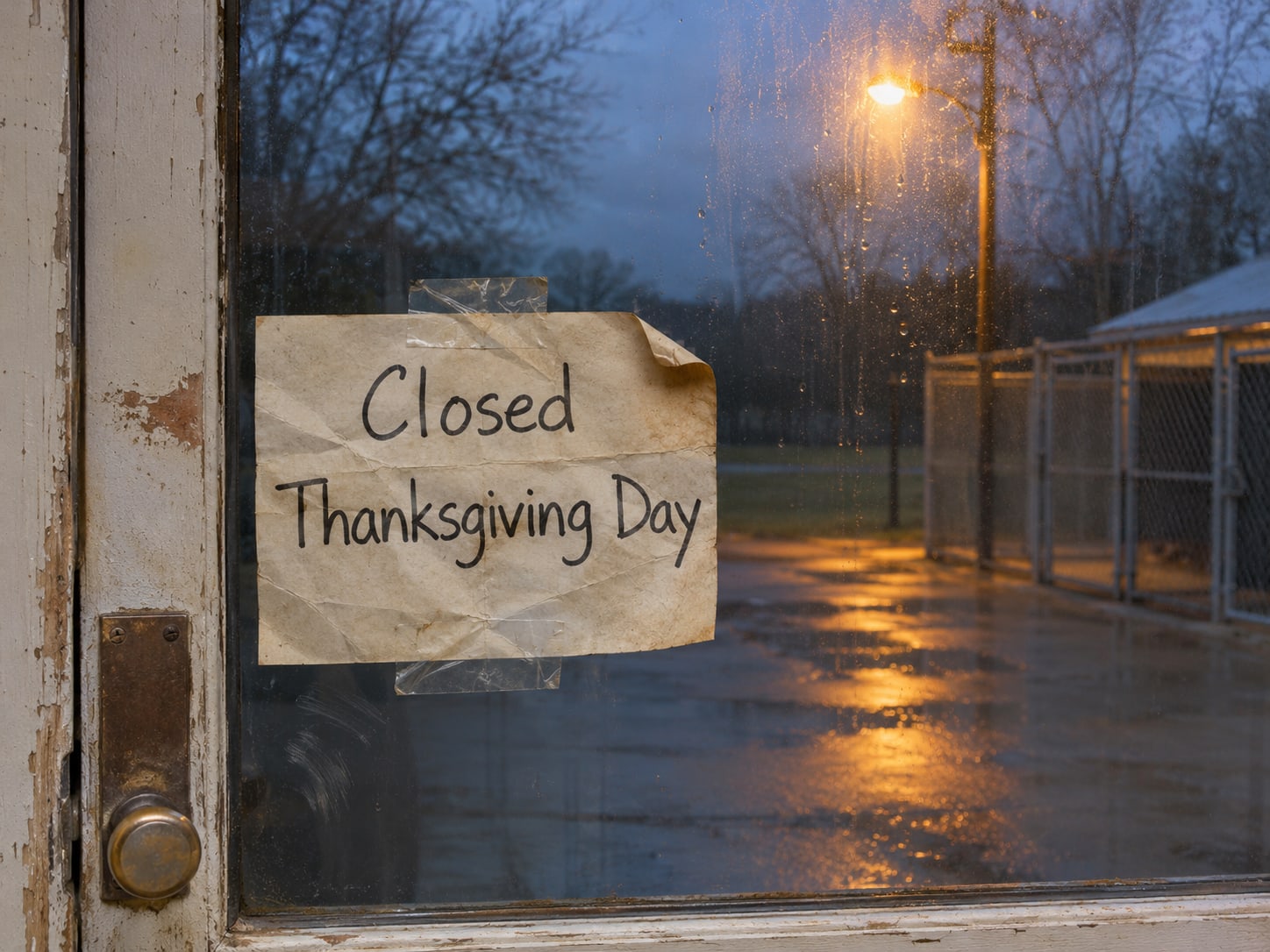
Holiday hours deserve their own look. Boarding fills up around holidays and school breaks, and Dogtail Marketing's 2026 analysis of Google Ads Keyword Planner data (six consumer pet-care terms, twelve months of U.S. English searches) reports that demand for "dog boarding near me" and "pet boarding" moves substantially across the year. That is a third-party analysis, and your own market may differ. Either way, an owner who finds closed doors on a holiday morning will not call back.
The fixes below are listed in a practical order. It is a working order for a small business, and your own check may point somewhere else first.
| Problem | The fix | Size of job |
|---|---|---|
| Unclaimed or outdated profile | Claim, verify and correct the fields | Small to medium |
| Wrong category or missing services | Pick the accurate category, add real services | Small |
| Wrong hours, phone or address | Correct the profile and the major listings | Small |
| Broken booking path | Test the form, phone link and booking provider on a phone | Small to medium |
| Few current photos | Shoot a simple set, with permission and privacy in mind | Small |
| Reviews unanswered | Set up a compliant request and reply routine | Small, ongoing |
| Weak service pages | Write or rewrite service, policy and contact pages | Medium |
| Unsupported claims | Gather proof, reword, check state rules | Medium |
Once the profile is right, correct the same facts on Apple Maps and Bing Places so the three agree. Apple Business Connect and Bing Places are the places to claim them.
One specific category and a short list of real services do the work
A category should finish the sentence "This business is a..." and never "This business has a...". A groomer picks the most accurate grooming category available. A vet clinic picks the relevant veterinary category. A boarding or daycare operator picks the specific boarding or daycare category in the profile editor. Google's category guidance says to use as few categories as possible and to make each as specific as possible, so add a secondary category only when it describes a second thing the business truly is.
Services come next, in Google's Services editor. List what you actually perform, such as full grooming, bath and brush, nail trimming, puppy visits, wellness exams, vaccinations, dental cleaning, daycare, overnight boarding or medication administration. Group them sensibly and add a short description where it helps. Keep phone numbers, personal information and keyword strings out of service names.
Then add the booking, appointment or service link, where your profile offers one. Google's guidance on local business links says the button can lead to your own booking system or to an eligible third-party provider, and the options vary by category and region. Confirm what your profile offers, then tap the link on a phone to make sure it lands on the right page. The post on adding a booking link to your Google Business Profile covers the steps.
Every important service earns its own page, with prices or what to expect
A profile answers the quick questions. The website answers the rest: what the visit involves, what it costs or what drives the cost, how to book, and what the rules are. Google's guidance on helpful, people-first content favors pages that are original, readable, organized and current, and the SEO Starter Guide sets no page count. A page earns its place by answering a real customer question.
For a pet business, that usually means these pages:
- Homepage: the business type, service area, phone number and main action.
- One page per important service: dog grooming, cat grooming, wellness exams, vaccinations, daycare or overnight boarding.
- Booking or appointment request page: a path that works on a phone.
- Policies page: vaccination requirements, cancellation, deposits and temperament screening for boarding.
- Location and contact page: hours, parking, directions and emergency instructions.
Add a short team page with qualifications or licenses where they apply, and use real photos of your facility and your work. Where prices vary by breed, size or coat, write what a visit includes and what moves the price.
Skip a page for every nearby town unless you serve that town. Distance stays one of Google's three local factors, so a thin page naming a town you do not reach will not pull in calls. If a share of the pet owners near you read Spanish, whether you need a Spanish version of your website is worth a separate look.
Reviews and photos should be genuine, recent and answered
Reviews are where Google's rules are firmest. Its review policy prohibits incentives, selective solicitation of positive reviews and requests for specific review content. So, no discounts or free nail trims for a five-star rating, no asking only your happiest clients, and no scripts telling people what to write.
What works is a steady, plain request. Ask each customer at pickup or checkout, send the same link after a visit, and let people say what they want in their own words. A review about a calm first grooming or a smooth boarding stay is more useful than any keyword you could request.
Answer reviews in a professional tone, positive and negative alike. Thank the person, and keep any health or medical detail out of a public reply. A calm reply to a complaint is read by every future customer who scrolls down to it.
Photos should be recent and real, following Google's photos and videos policy: the exterior, reception, staff, facility, equipment, grooming work and animal areas. Get permission before showing a customer's face, and keep private details out of the frame.
Veterinary and safety claims need a check with your state board
Advertising words carry rules, and the rules differ by state. The FTC's advertising FAQs for small business say online advertising must be truthful, non-deceptive and supported by evidence. For veterinary practices there is a second layer: the AVMA Principles of Veterinary Medical Ethics say veterinary advertising must not contain deceptive or misleading claims.
State boards can be stricter. California's Veterinary Medicine Practice Act, for example, restricts unsupported superiority claims and misleading price advertising. Your own state board is the place to confirm what you may say, and it is worth a call before you publish new copy.
Groomers and boarders face the same test in plainer terms. Words like "best," "safest" and "fear-free" are claims, and a claim needs proof you could show a customer. If you cannot back a phrase up, use a description of what you actually do, such as "one-on-one handling for nervous dogs, with a short break between appointments," if that is true.
The first round fits in a few focused sessions, and help has a clear place
The first round is within reach for one owner or practice manager. A sensible order looks like this:
A first round of local SEO for a pet business
- 1
Session 1
Run the ten-minute search, then fix the real name, address or service area, hours with holiday hours, and phone number.
- 2
Session 2
Set one primary category, add the services you actually perform, and add and test the booking or appointment link.
- 3
Session 3
Upload recent photos of the exterior, staff, facility and work, and set up the review request and reply routine.
- 4
Session 4
Write or tighten the service pages and the policies page, and check any claims against your state board.
None of that needs a large monthly contract. What it needs is accuracy and some follow-through. If you are working with a small budget, where to start with SEO on a small budget puts the same order in a wider frame.
Professional help is easier to justify in specific situations: several locations, a damaged or suspended profile, a complicated booking system, poor tracking, veterinary claims that need checking, or too little time to keep the work current. Whoever you hire should show you the exact problems being fixed, the actions taken, the calls or bookings measured, and the limits of what local SEO can promise.
No ethical vendor can promise a specific Maps position, a fixed number of calls or a precise timeline. Google says local results depend mainly on relevance, distance and popularity, and all three vary by searcher and market. So, measure what pays the bills: calls, booking requests and completed visits, and not only where you rank.
Is your pet business ready to be found?
Pick an answer to begin.
1. Which category approach does Google recommend for a profile?
2. A customer offers to leave a five-star review if you give a free nail trim. What should you do?
3. Before you publish "best vet in town" on your website, what should you do?
Frequently Asked Questions About SEO for Dog Groomers, Vets and Pet Boarding
Does a groomer need a website if the Google profile is complete?
Yes, if customers need detailed services, prices, policies, staff information, photos or booking instructions. The profile and the website do different jobs.
What category should a pet business choose?
Choose the most specific category that describes what the business is. Do not add categories only because they contain related keywords.
Can a business pay for Google reviews?
No. Google prohibits incentives, selective solicitation and requests for specific review wording.
Should the profile list every service?
List the real services your customers search for and that you provide, and group them clearly. Leave off anything you do not perform.
Does "near me" need to appear on the page?
No. Use natural service and location language. Google can use the searcher's location to match the search.
Can a veterinary clinic claim to be the best?
Only if the claim is lawful, non-misleading and supported under the professional and consumer-protection rules that apply to it. State veterinary rules may be stricter, so confirm with your state board first.
Wrapping Up
The first round is concrete. Compare yourself with the top three results, correct the name, address, hours and phone, choose one specific category, list only real services, and make the booking link work on a phone. Add recent photos, ask for genuine reviews, reply to the ones you have, and give each important service its own page with prices or what to expect.
Done in a few focused sessions, that gives a nearby pet owner a clear reason to call you instead of scrolling on. The calls, booking requests and completed visits are the numbers to watch, and they keep working long after a ranking screenshot is forgotten.
If you would rather have the profile, the booking path and the service pages handled while you handle the animals, Web Leveling can do that with you. Our Google Business Profile management work starts with the same ten-minute comparison and reports calls and bookings, and we will tell you which fixes you can keep doing yourself. We work with small and medium businesses across the country and overseas. Tell us about your grooming shop, clinic or kennel, and we will look at it with you.
Terms
Pet business SEO words
Tap a term to see what it means.
Primary category. The single Google Business Profile category that best describes what the business is.
Service area business. A business that travels to customers, such as a mobile groomer, instead of serving them at a storefront.
Booking link. A button on the profile that sends a customer to your appointment, reservation or service page.
Review gating. Asking only happy customers for reviews, which Google's review policy prohibits.
Thin town page. A page naming a nearby town with no real local information, written only to appear in searches.
Wellness exam. A routine veterinary check-up for a pet that is not sick.